Forming Machine Tools
Power, Dynamics and Process Reliability with Drive Components from Miki Pulley
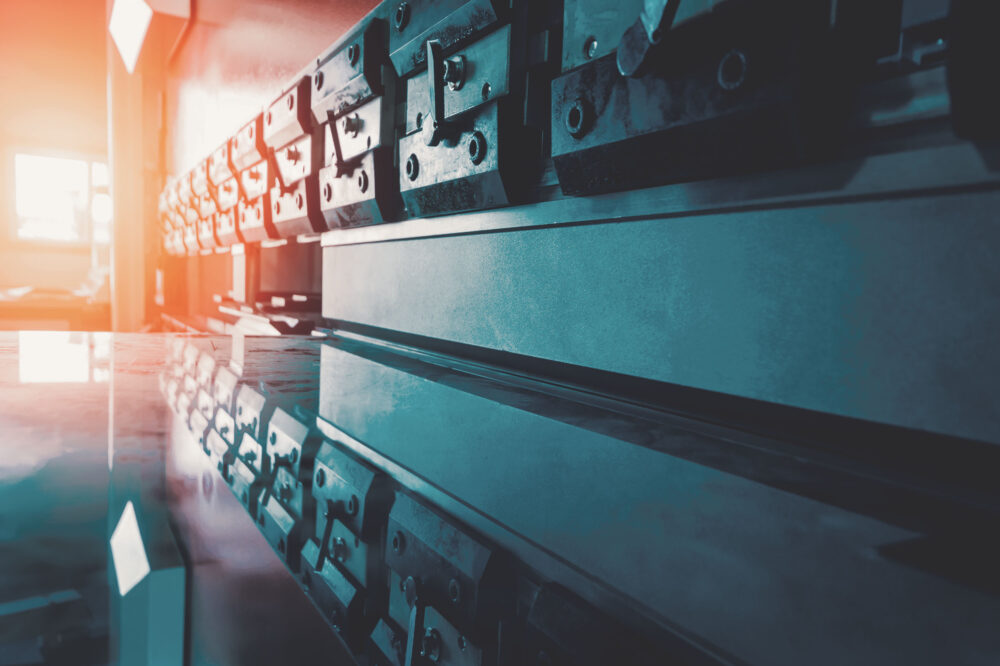
In forming machine tools, high forces, repeatable motion sequences, and maximum process reliability are the key priorities. Whether in presses, bending machines, or rolling mills, the couplings, brakes, and torque limiters from Miki Pulley ensure reliable power transmission, protect against overload, and guarantee consistent production quality.
Highest Requirements in Forming Technology
Forming machine tools change the shape of a workpiece through plastic deformation – without material removal. During this process, extreme forces, shock loads, and cyclic stresses act on all drive components. At the same time, precise motion control and high repeatability are essential to ensure consistent component quality.
This is where the shaft couplings, electromagnetic brakes, spring-actuated safety brakes, and torque limiters from Miki Pulley are used – engineered for maximum load capacity, durability, and operational reliability in forming applications.
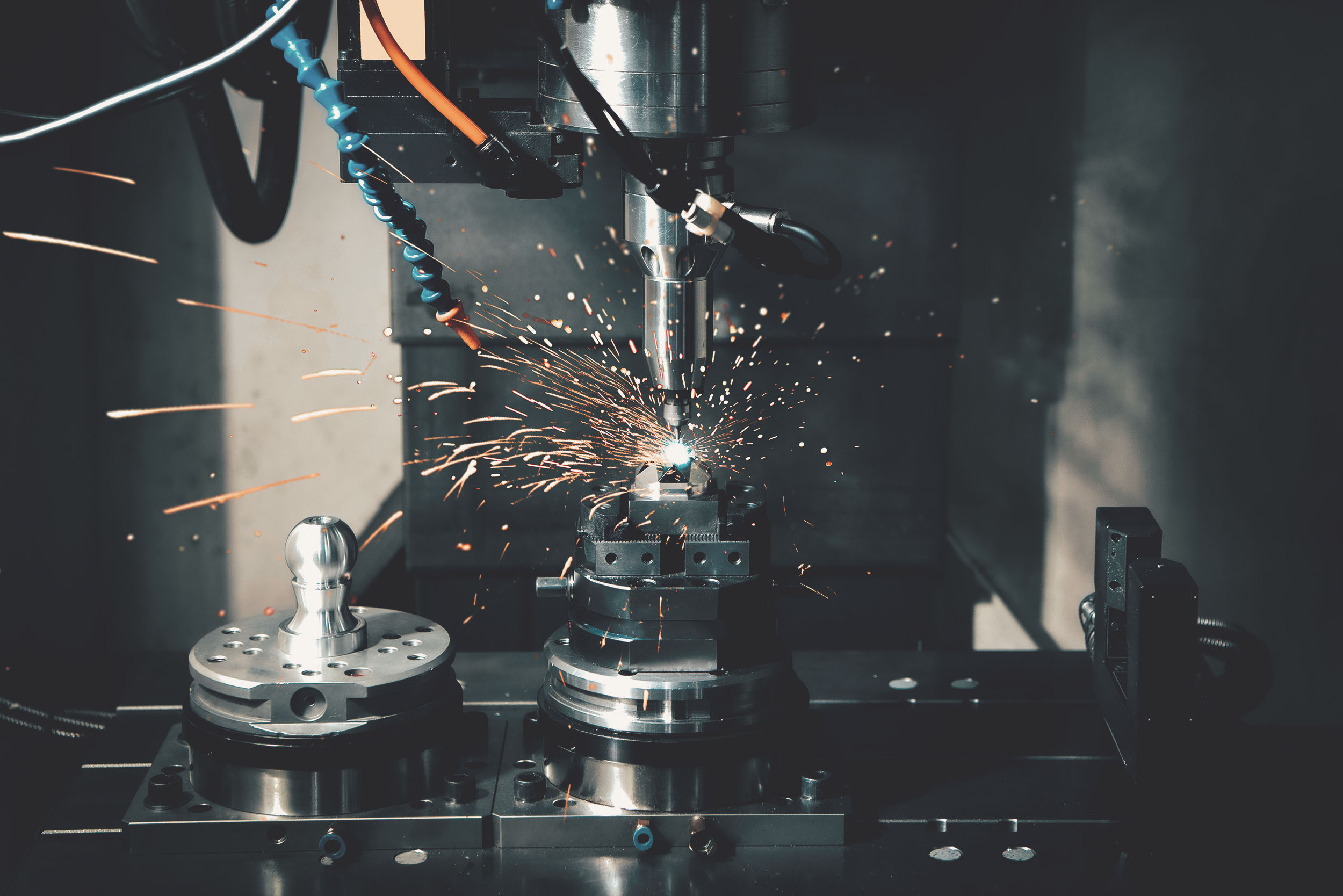
PRESSES
Presses are among the most important machines in forming technology. They shape workpieces using compressive forces, for example during punching, deep drawing, or forging. There are mechanical presses, hydraulic presses, and servo presses.
Typical Operations:
- Punching, piercing, blanking
- Deep drawing, embossing, bending
- Hot and cold forming (e.g. forging)
Key Requirements for Couplings & Brakes:
- Couplings: highly durable, shock-resistant, and torsionally rigid for transmitting high pressing forces
- Brakes: precise control of the press stroke and reliable emergency stop function
- Torque limiters: protection in case of tool breakage or faulty strokes
Materials & Challenges:
- Steel, aluminum, high-strength alloys
- Extreme shock loads, high energy densities, thermal stress
BENDING MACHINES (BENDING & PRESS BRAKES)
Bending machines precisely deform sheet metal, tubes, or profiles through bending processes. Typical machines include press brakes, tube bending machines, and profile bending machines.
Typical Operations:
- Sheet metal bending
- Tube and profile bending
- Freeform bending of complex geometries
Key Requirements for Couplings & Brakes:
- Backlash-free couplings for exact angular and positioning accuracy
- Brakes for secure position holding during the bending process
- High repeatability in serial production
Materials & Challenges:
- Springback effects in elastic materials
- Different material thicknesses and bending radii
ROLLING MACHINES
Rolling mills continuously form materials using rotating rollers. They are widely used in metal processing, for example in the production of sheets, profiles, or wires.
Typical Operations:
- Flat rolling, profile rolling, ring rolling
- Reduction of material thickness
- Continuous forming processes
Key Requirements for Couplings & Brakes:
- High-torque couplings for continuous power transmission
- Torque limiters to protect against material jams or blockages
- Brakes for controlled deceleration of large rotating masses
Materials & Challenges:
- High continuous loads and nonstop operation
- Large rotating masses and thermal stress
FORGING MACHINES (OPEN-DIE & CLOSED-DIE FORGING)
Forging machines shape metal through pressure or impact at high temperatures. They are mainly used in the automotive and aerospace industries.
Typical Operations:
- Closed-die forging, open-die forging
- Upsetting, stretching, punching
- Hot forming under extreme forces
Key Requirements for Couplings & Brakes:
- Extremely robust couplings with high shock absorption
- Torque limiters for overload protection
- Brakes for controlled motion sequences and operational safety
Materials & Challenges:
- Red-hot workpieces
- Extreme shock and vibration loads
STRAIGHTENING MACHINES
Straightening machines correct deformations in sheets, bars, or profiles and ensure a uniform material structure.
Typical Operations:
- Straightening sheets and coils
- Smoothing profiles and wires
Key Requirements for Couplings & Brakes:
- Uniform power transmission for consistent results
- Damping couplings to reduce vibrations
- Precise control of roller movement
COUPLINGS FROM MIKI PULLEY
Robust, Precise, and Durable
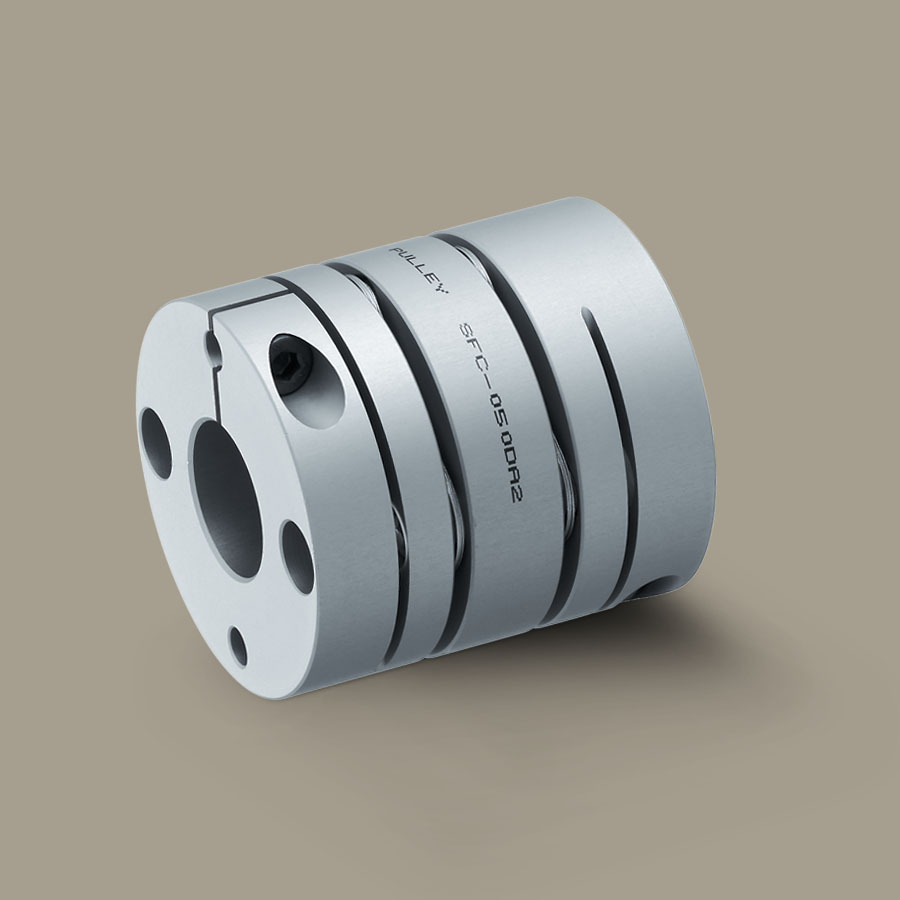
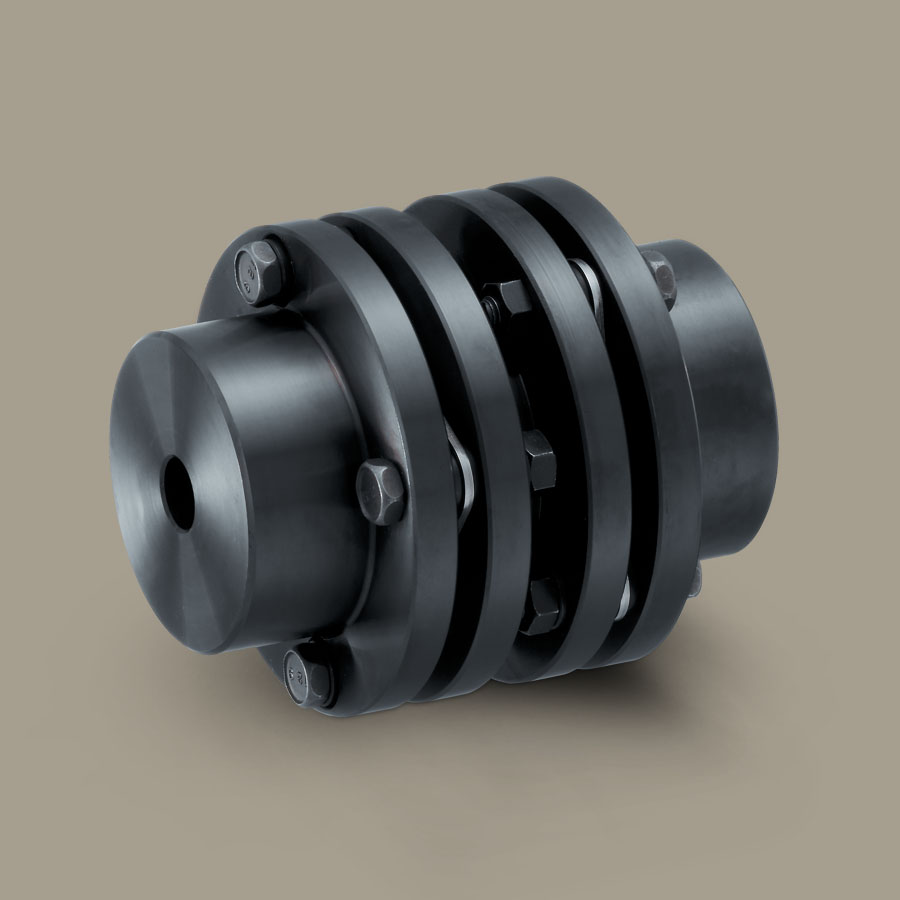
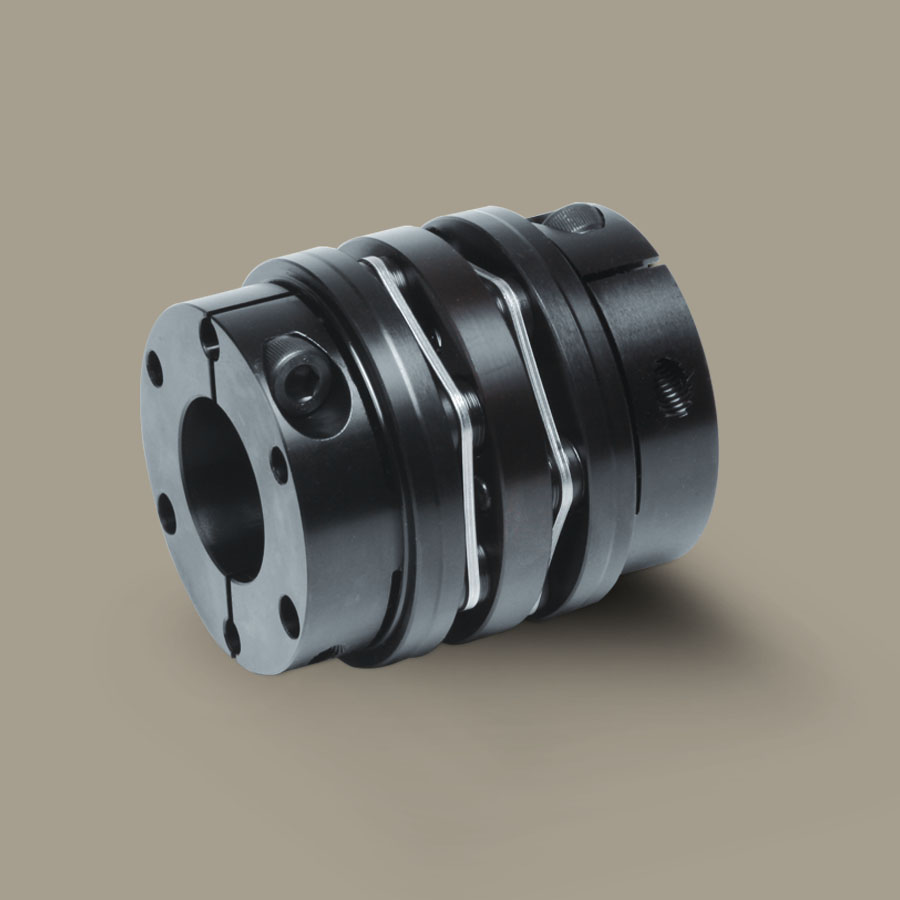
In forming machines, couplings must withstand extreme loads while maintaining precision. The shaft couplings from Miki Pulley provide an optimal combination of torsional rigidity, damping characteristics, and wear resistance.
Typical Applications:
- Press drives and flywheels
- Rolling mills and continuous processes
- Servo axes in bending systems
Thanks to their low-maintenance design, they significantly reduce downtime and increase machine availability.
BRAKES FROM MIKI PULLEY
Control and Safety Under High Forces
Brakes perform essential safety functions in forming technology. They reliably stop moving masses and precisely hold positions – even under load.
Typical Applications:
- Emergency stop systems in presses
- Holding brakes for vertical or heavily loaded axes
- Positioning systems in automated forming lines
The electromagnetic brakes and spring-actuated safety brakes from Miki Pulley impress with fast response times, high holding torque, and compact design.
TORQUE LIMITERS FROM MIKI PULLEY
Protection Against Overload and Collisions
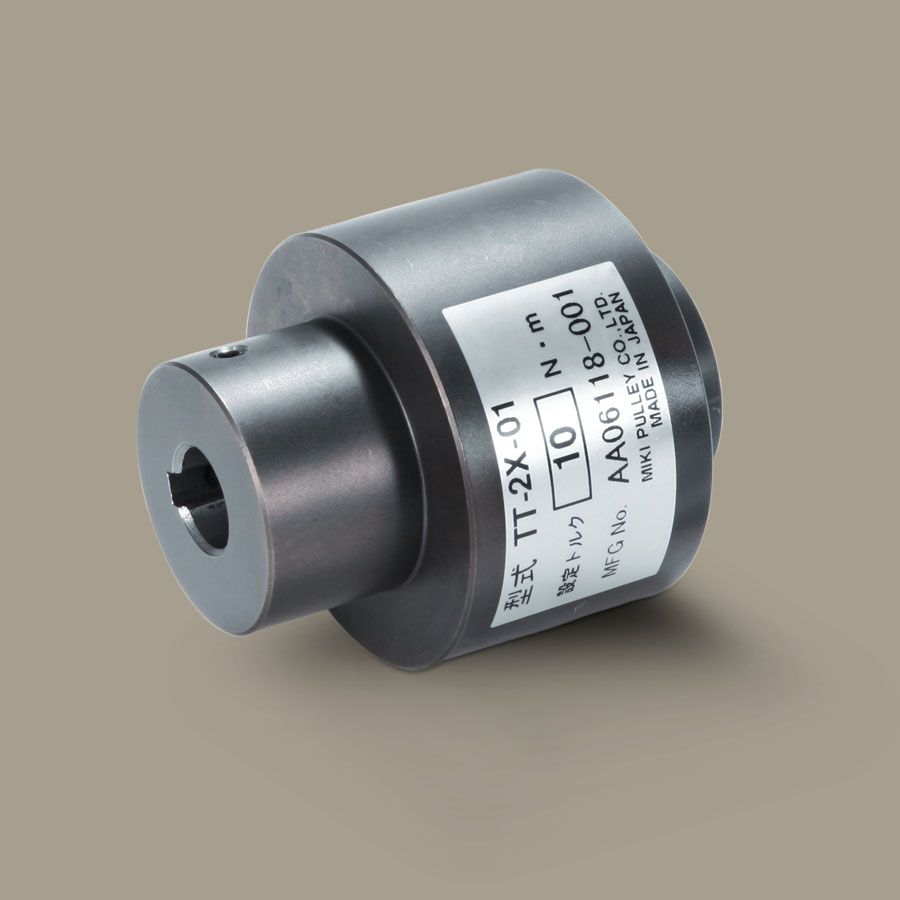
In forming technology, defective parts, tool breakage, or material faults can lead to sudden overload situations. Torque limiters reliably protect machines from damage.
Advantages at a Glance:
- Immediate disengagement in overload situations
- High repeatability of the release torque
- Fast re-engagement
- Protection for tools, drives, and machines
YOUR ADVANTAGES WITH MIKI PULLEY COMPONENTS
Miki Pulley offers a comprehensive portfolio of shaft couplings, electromagnetic brakes, spring-actuated safety brakes and torque limiters for forming machine tools – from standalone machines to highly automated production lines.
Technical Advantages at a Glance:
- High load capacity combined with precise power transmission
- Long service life even under extreme operating conditions
- Low-maintenance and compact design
- Reliable protection against overload and machine damage
- Customized solutions for every forming application
With Miki Pulley, you rely on high-performance drive components that meet the demanding requirements of forming technology and enable efficient, safe, and economical production.
Suitable products

Focused
solutions
フォーカスソリューション
Let us advise you personally today.
We look forward to hearing from you!
You need to load content from reCAPTCHA to submit the form. Please note that doing so will share data with third-party providers.
More InformationYou are currently viewing a placeholder content from Turnstile. To access the actual content, click the button below. Please note that doing so will share data with third-party providers.
More Information